There are few materials in the world that evoke the same sense of pure luxury and comfort as cashmere. Slipping into a well-crafted cashmere sweater feels like being wrapped in a warm, weightless cloud. But what exactly makes this fabric so special, and why does it command such a premium price?
Whether you are looking to invest in your first piece or simply want to understand the magic behind the material, here is everything you need to know about cashmere.
Where Does Cashmere Come From? Unlike standard wool, which comes from sheep, cashmere comes from the soft undercoat of specific breeds of goats—most notably the Capra hircus goat. These goats are native to regions with extreme, freezing climates, such as the Gobi Desert in Mongolia, the Himalayas, and parts of China.
To survive the brutal winters, these goats grow a double fleece: a coarse, straight outer layer of hair to protect against the elements, and a fine, incredibly soft undercoat to insulate them. It is this fine undercoat that is harvested to make cashmere.
Why is Cashmere So Expensive? The high price tag of cashmere comes down to scarcity and the labor-intensive harvesting process.
- Extremely Limited Yield: A single sheep can produce several kilos of wool a year, but a cashmere goat produces only about 200 grams of usable cashmere. It often takes the fleece of three to four goats to make just one standard sweater.
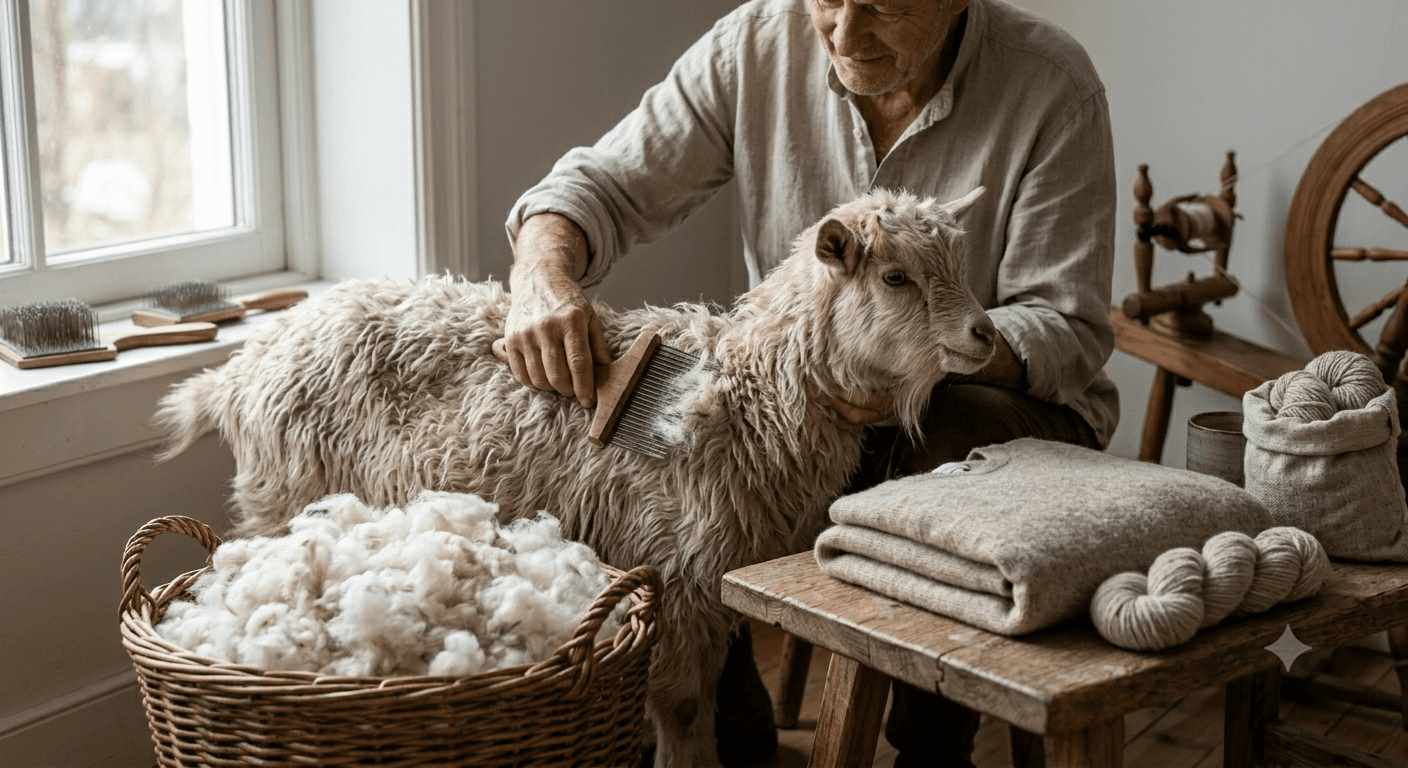
- Labor-Intensive Harvesting: The best cashmere is not sheared; it is meticulously combed out by hand during the spring molting season. This traditional process ensures that the fine undercoat is carefully separated from the coarse outer guard hairs.
- Unmatched Softness: The diameter of a cashmere fiber is remarkably small—usually between 14 and 19 microns. For comparison, a human hair is about 75 microns. This microscopic fineness is what gives cashmere its signature, itch-free softness.
How to Care for Your Cashmere A good cashmere piece is an investment. With the right care, it will actually get softer over time and can easily last a lifetime.
- Skip the Dry Cleaner: The harsh chemicals used in dry cleaning can break down the natural fibers over time. Hand washing is almost always the best option.
- Hand Wash with Care: Use cold water and a gentle cleanser, like baby shampoo or a specialized cashmere wash. Gently swirl the garment in the water, but never rub, scrub, or twist it, as this will distort the shape.
- Dry Flat: Never wring out your cashmere or put it in the dryer. Instead, gently press the water out, lay the garment flat on a clean, dry towel, and roll it up like a sleeping bag to absorb excess moisture. Unroll it and reshape it on a drying rack to air dry.
- Store Properly: Always fold your cashmere. Hanging it will cause the shoulders to stretch and lose their shape. To protect your pieces from moths during the off-season, store them in breathable cotton bags with cedar balls or lavender sachets.
The Ultimate Investment Cashmere is more than just a fabric; it is a testament to traditional craftsmanship and nature's resilience. While the initial cost may be high, the cost-per-wear of a timeless, well-cared-for cashmere sweater makes it one of the smartest investments you can add to your wardrobe.